





The Role of Sensors and Monitoring Devices in Wet Wipes Machines
 Oct 25, 2023|
 The integration of sensors and monitoring devices in wet wipes machines is crucial for enhancing the quality, efficiency, and reliability of the manufacturing process. These components serve various functions to ensure consistent production. Here's how sensors and monitoring devices are used in wet wipes machines:
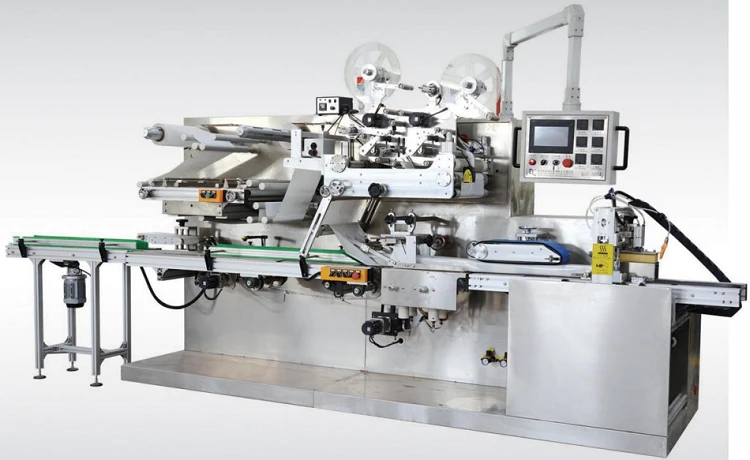
1. Moisture Sensors: These sensors monitor the moisture content of the wet wipes, ensuring that the wetting solution is evenly distributed. They provide feedback to the control system, allowing adjustments to maintain consistent moisture levels across all wipes.
2. Position Sensors: Position sensors detect the precise location of the wipes on the conveyor system. This information is used to synchronize the operation of various components, such as the cutting and folding mechanisms, to ensure accurate processing.
3. Optical Sensors: Optical sensors can be employed for quality control, detecting defects or irregularities in the wipes, such as variations in color, size, or foreign particles. Any non-compliant wipes can be automatically removed from the production line.
4. Temperature Sensors: Temperature sensors are used to monitor the operating temperature of critical components, such as heating elements or the wetting solution. Maintaining the correct temperature is vital for the quality of wet wipes, especially in applications like sanitizing wipes.
5. Pressure Sensors: Pressure sensors are utilized to monitor the pressure applied during various stages of the manufacturing process. They ensure that the right amount of pressure is applied for cutting, folding, or sealing, contributing to product consistency.
6. Flow Rate Sensors: In the wetting solution delivery system, flow rate sensors measure the rate at which the solution is dispensed onto the wipes. This data helps control the application of the wetting solution, ensuring it matches the production requirements.
7. Air Quality Sensors: Air quality sensors can be used in the machine's environment to monitor the cleanliness of the production area. Maintaining a clean environment is essential to prevent contamination of the wet wipes.
8. Machine Health Monitors: These devices continuously assess the machine's overall health and performance. They can detect signs of wear and tear, potential breakdowns, or the need for maintenance. Preventive actions can be taken to avoid unexpected downtime.
9. Vibration Sensors: Vibration sensors detect excessive vibrations or irregularities in the machine's operation. These sensors can signal potential issues that may affect product quality or machine longevity.
10. Barcode or RFID Scanners: These sensors are used for product tracking and traceability. They can record information about each batch of wet wipes, ensuring accountability and aiding in quality control.
11. Digital Cameras: High-resolution cameras may capture images of each wipe for visual inspection and quality control purposes, providing a visual record of the production process.
By using these sensors and monitoring devices, wet wipes machines can maintain consistency in moisture content, size, temperature, pressure, and overall product quality. They also support machine health, traceability, and quality control throughout the production process.