




What raw materials are used in a tissue paper machine?
 Aug 08, 2025|
 Tissue paper is an essential item in our daily lives, used for various purposes such as cleaning, personal hygiene, and more. As a tissue paper machine supplier, I often get asked about the raw materials used in the production of tissue paper. Understanding these raw materials is crucial for both manufacturers and consumers, as they directly impact the quality, texture, and functionality of the final product. In this blog post, I will delve into the primary raw materials used in a tissue paper machine and their significance in the manufacturing process.
Wood Pulp
Wood pulp is the most common and fundamental raw material in tissue paper production. It is derived from wood fibers, which are obtained from different types of trees. There are two main types of wood pulp used in the industry: softwood pulp and hardwood pulp.
Softwood pulp comes from coniferous trees such as pine, spruce, and fir. These trees have long and strong fibers, which contribute to the strength and absorbency of the tissue paper. Softwood pulp is often used in the production of high - quality toilet paper, paper towels, and industrial wipes. The long fibers create a network that can hold more liquid and withstand tearing.
Hardwood pulp, on the other hand, is sourced from deciduous trees like oak, maple, and eucalyptus. Hardwood fibers are shorter and finer than softwood fibers. They give the tissue paper a smooth and soft texture, making it ideal for facial tissues and napkins. By blending softwood and hardwood pulp in different ratios, manufacturers can achieve the desired combination of strength, absorbency, and softness in the final product.
Recycled Fibers
In recent years, the use of recycled fibers in tissue paper production has gained significant popularity due to environmental concerns. Recycled fibers are obtained from post - consumer waste paper, such as old newspapers, magazines, and cardboard boxes. These materials are collected, sorted, and processed to remove ink, dirt, and other contaminants.
Recycled fibers are an eco - friendly alternative to virgin wood pulp. They help reduce deforestation and conserve natural resources. However, the quality of recycled fibers can vary depending on the source and the recycling process. To ensure the quality of the tissue paper, recycled fibers are often blended with virgin wood pulp. The ratio of recycled to virgin pulp can be adjusted based on the desired quality and cost of the product.
Chemical Additives
Chemical additives are used in the tissue paper manufacturing process to enhance the properties of the paper. These additives can improve strength, softness, absorbency, and whiteness.
- Strength Additives: To increase the strength of the tissue paper, manufacturers may add chemicals such as starch or polyacrylamide. These additives help bind the fibers together, making the paper more resistant to tearing and breaking.
- Softening Agents: Softening agents are used to make the tissue paper feel smooth and gentle on the skin. These agents can be natural oils, such as vegetable oils, or synthetic chemicals. They coat the fibers, reducing friction and giving the paper a soft touch.
- Wet - Strength Resins: Wet - strength resins are added to tissue paper products that need to maintain their strength when wet, such as paper towels and some types of toilet paper. These resins cross - link the fibers, preventing them from breaking apart when exposed to moisture.
- Whitening Agents: To achieve a bright white appearance, tissue paper may be treated with whitening agents such as titanium dioxide or optical brighteners. These agents reflect light, making the paper look whiter and more appealing.
Water
Water is a crucial raw material in the tissue paper manufacturing process. It is used to transport the pulp fibers, dilute the pulp to the desired consistency, and facilitate the formation of the paper web.

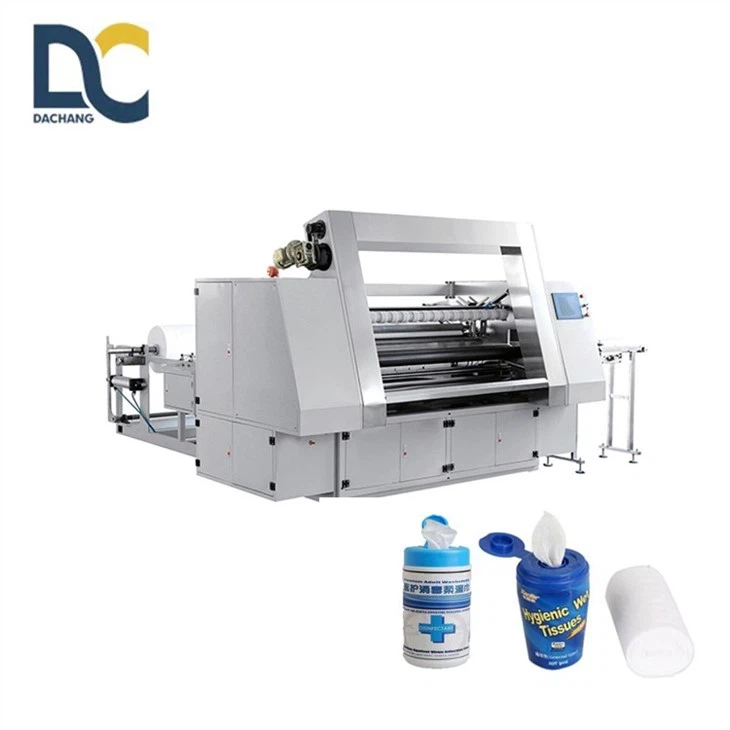
In the tissue paper machine, water is added to the pulp to create a slurry. This slurry is then fed onto a moving wire mesh, where most of the water is drained away through gravity and vacuum suction. The remaining water is removed through a combination of pressing and drying processes.
The quality of the water used in the manufacturing process can also affect the quality of the tissue paper. Impurities in the water, such as minerals and chemicals, can cause discoloration, odor, and other quality issues. Therefore, water treatment is an important step in the production process to ensure the purity of the water.
Other Materials
In addition to the main raw materials mentioned above, there are some other materials that may be used in the production of specialized tissue paper products.
- Lotions and Aloe Vera: For facial tissues and baby wipes, lotions and aloe vera may be added to provide additional skin - care benefits. These ingredients can soothe and moisturize the skin, reducing irritation.
- Fragrances: Fragrances are often added to tissue paper products to give them a pleasant smell. However, it is important to use safe and hypoallergenic fragrances to avoid allergic reactions.
As a tissue paper machine supplier, we understand the importance of using high - quality raw materials to produce tissue paper that meets the needs of our customers. We also offer a range of related products, such as the Multifunctional Wet Wipe Machine, Single Piece Canister Wet Wipes Machine, and Wipes Manufacturing Machine. These machines are designed to produce wet wipes with high efficiency and quality.
If you are interested in starting a tissue paper or wet wipes production business, or if you want to upgrade your existing production line, we are here to help. Our team of experts can provide you with professional advice and customized solutions. Contact us today to discuss your requirements and explore the possibilities of working together.
References
- "Tissue Paper Manufacturing Technology" by James M. Grace
- "Handbook of Pulp and Paper Technology" by Gary A. Smook