




What is the role of preservatives in wet wipes production?
 Jan 02, 2026|
 Preservatives play a crucial and multi - faceted role in the production of wet wipes. As a wet wipes production supplier, I have witnessed firsthand how these substances contribute to the quality, safety, and shelf - life of our products.
Ensuring Product Shelf - Life
One of the primary functions of preservatives in wet wipes production is to extend the product's shelf - life. Wet wipes are essentially moistened substrates, and the moist environment provides an ideal breeding ground for various microorganisms such as bacteria, fungi, and yeasts. Without proper preservation, these microorganisms can grow rapidly, leading to product spoilage.

Microbial growth can cause a variety of issues. For example, bacteria can produce unpleasant odors as they break down the components of the wet wipe solution. Fungi can form visible mold colonies on the wipes, which not only makes the product unappealing but can also pose health risks to consumers. Yeasts can ferment the organic compounds in the solution, altering its chemical composition and potentially reducing the effectiveness of other ingredients.
Preservatives work by inhibiting the growth and reproduction of these microorganisms. They can target different aspects of microbial physiology. Some preservatives disrupt the cell membrane of bacteria, making it impossible for them to maintain their internal environment and leading to cell death. Others interfere with the metabolic processes of microorganisms, preventing them from obtaining the energy and nutrients they need to survive.
For instance, parabens are a commonly used class of preservatives in wet wipes. They have broad - spectrum antimicrobial activity, meaning they can effectively inhibit the growth of a wide range of bacteria and fungi. Their ability to penetrate the cell membrane of microorganisms and disrupt their enzyme systems makes them highly effective in preserving wet wipes for an extended period.
Maintaining Product Quality
Preservatives also play a vital role in maintaining the overall quality of wet wipes. In addition to preventing microbial spoilage, they help to preserve the integrity of other ingredients in the wet wipe solution. Many wet wipes contain active ingredients such as moisturizers, emollients, and skin - friendly agents. These ingredients can be susceptible to degradation over time, especially in the presence of moisture and oxygen.
For example, natural oils used as moisturizers in wet wipes can oxidize when exposed to air, leading to the formation of rancid compounds. This not only changes the smell of the wet wipes but also reduces their moisturizing effectiveness. Preservatives can act as antioxidants, preventing the oxidation of these sensitive ingredients and ensuring that the wet wipes retain their intended properties throughout their shelf - life.
Moreover, preservatives can help to maintain the physical properties of wet wipes. They can prevent the drying out of the wipes, which is essential for their usability. If wet wipes dry out, they become hard and difficult to unfold, and their ability to clean and moisturize the skin is significantly reduced. By controlling the moisture content and preventing the growth of microorganisms that could cause desiccation, preservatives contribute to the softness and flexibility of wet wipes.
Meeting Safety Standards
Safety is a top priority in wet wipes production, and preservatives are an important part of ensuring that our products meet the necessary safety standards. Regulatory bodies around the world have strict guidelines regarding the use of preservatives in consumer products, especially those that come into contact with the skin, such as wet wipes.
Preservatives used in wet wipes must be carefully selected to ensure they are safe for human use. They should have low toxicity and minimal potential for causing skin irritation or allergic reactions. Manufacturers need to conduct extensive safety testing on their wet wipe products to ensure that the preservatives used are within the acceptable limits set by regulatory authorities.
For example, the European Union has specific regulations regarding the use of preservatives in cosmetics, including wet wipes. These regulations specify the maximum allowable concentrations of different preservatives and also require that products be labeled with the names of all preservatives used. By adhering to these regulations, we can ensure that our wet wipes are safe for consumers of all ages, including infants and those with sensitive skin.
Types of Preservatives Used in Wet Wipes
There are several types of preservatives commonly used in wet wipes production. In addition to parabens, other popular choices include phenoxyethanol, benzyl alcohol, and potassium sorbate.
Phenoxyethanol is a mild - smelling, colorless liquid that has good antimicrobial properties. It is considered to be relatively safe for use on the skin and is often used in combination with other preservatives to enhance its effectiveness. Benzyl alcohol also has antimicrobial activity and is commonly used in cosmetic products. It has a pleasant odor and is less likely to cause skin irritation compared to some other preservatives.
Potassium sorbate is a natural preservative that is derived from sorbic acid. It is effective against fungi and yeasts and is often used in combination with other preservatives to provide broad - spectrum protection. These different types of preservatives can be used alone or in combination, depending on the specific requirements of the wet wipe product.
The Role of Preservatives in Different Types of Wet Wipes
The role of preservatives can vary depending on the type of wet wipes being produced. For example, baby wet wipes have very specific requirements. They need to be gentle on the delicate skin of infants, so the choice of preservatives is crucial. Preservatives used in baby wet wipes must be non - toxic, hypoallergenic, and have a low potential for skin irritation.
On the other hand, industrial wet wipes, which are used for cleaning and disinfection in industrial settings, may require more powerful preservatives. These wet wipes are often exposed to harsher environments and may come into contact with a wider range of contaminants. Therefore, they need preservatives that can provide strong protection against a variety of microorganisms.
Our Production Process and the Use of Preservatives
As a wet wipes production supplier, we have a strict production process in place to ensure the proper use of preservatives. We start by carefully selecting the preservatives based on the type of wet wipes we are producing and the regulatory requirements of the target market.
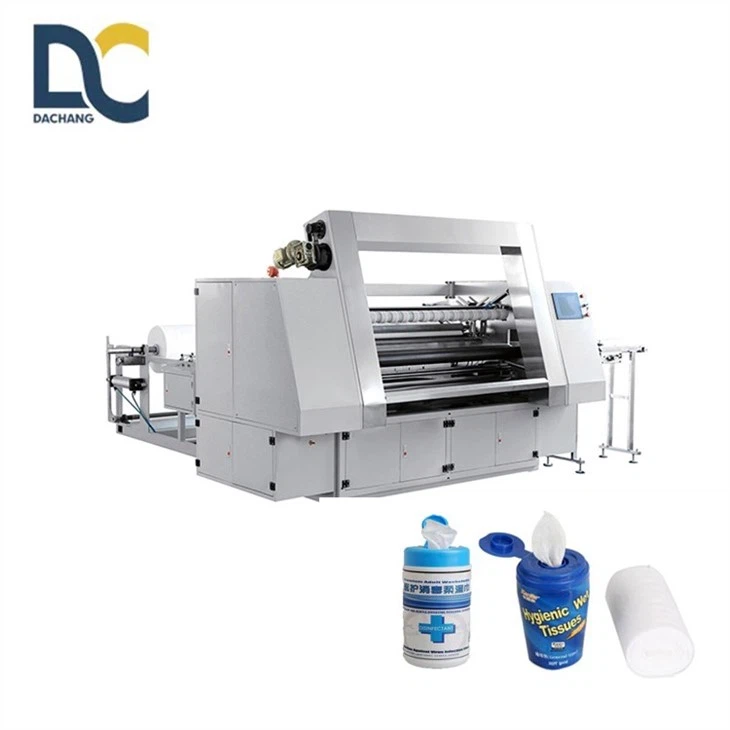
We use advanced Cartridge Type Wet Wipes Machine and Wet Tissue Roll Making Machine to ensure accurate dosing of the preservatives into the wet wipe solution. These machines are designed to provide precise control over the production process, ensuring that the correct amount of preservative is added to each batch of wet wipes.
During the production process, we also conduct regular quality control checks to monitor the effectiveness of the preservatives. We test the wet wipes for microbial contamination at different stages of production and storage to ensure that they meet our quality standards.
The Future of Preservatives in Wet Wipes Production
The use of preservatives in wet wipes production is constantly evolving. There is a growing demand for more natural and eco - friendly preservatives. Consumers are becoming more aware of the potential health and environmental impacts of synthetic preservatives, and they are looking for wet wipes that use more sustainable alternatives.
In response to this trend, we are researching and developing new types of natural preservatives. For example, plant - based extracts such as tea tree oil, eucalyptus oil, and grapefruit seed extract have shown promising antimicrobial properties. These natural alternatives not only provide effective preservation but also offer additional benefits such as anti - inflammatory and soothing properties.
We are also exploring the use of innovative preservation technologies. For instance, encapsulation technology can be used to protect the active ingredients in wet wipes, including preservatives, from degradation. This can enhance the stability and effectiveness of preservatives, allowing us to use lower concentrations while still achieving the same level of protection.
Contact for Purchase and Collaboration
If you are interested in purchasing high - quality wet wipes or collaborating with us on wet wipes production, we welcome you to reach out. Our team of experts can provide you with detailed information about our products, including the types of preservatives used, our production process, and our commitment to quality and safety. We are dedicated to meeting your specific requirements and providing you with the best wet wipe solutions.
References
- Cosmetic Ingredient Review Expert Panel. (Year). Final report on the safety assessment of [preservative name]. International Journal of Toxicology.
- European Union. (Year). Regulation on cosmetic products. Official Journal of the European Union.
- Smith, J. (Year). Antimicrobial agents in personal care products. Journal of Cosmetic Science.