




What is the feeding system of a moist wipes machine like?
 Jul 22, 2025|
 As a seasoned supplier of moist wipes machines, I've witnessed firsthand the evolution of these remarkable devices. The feeding system of a moist wipes machine is a critical component that significantly impacts the efficiency, quality, and overall performance of the entire production process. In this blog post, I'll delve into the intricacies of the feeding system, exploring its various types, components, and functions.
Types of Feeding Systems
There are primarily two types of feeding systems used in moist wipes machines: roll feeding and sheet feeding.
Roll Feeding System
The roll feeding system is the most common type used in moist wipes production. It involves feeding a continuous roll of non - woven fabric into the machine. This system offers several advantages, such as high production speed, reduced downtime for material replenishment, and the ability to handle large volumes of material.
The roll of non - woven fabric is typically mounted on a unwind stand. The stand is equipped with a braking system to control the tension of the fabric as it unwinds. This is crucial to ensure that the fabric is fed smoothly into the machine without wrinkles or slack. As the fabric unwinds, it passes through a series of guide rollers that direct it towards the next stage of the production process.
One of the key components in a roll feeding system is the edge guiding device. This device ensures that the fabric remains centered as it moves through the machine. It uses sensors to detect the position of the fabric edges and adjusts the position of the fabric accordingly. This is essential for maintaining the accuracy of the cutting and folding operations that follow.
Sheet Feeding System
The sheet feeding system, on the other hand, involves feeding individual sheets of non - woven fabric into the machine. This system is often used when producing moist wipes in specific sizes or when a higher level of precision is required.
In a sheet feeding system, the sheets are typically stacked in a magazine. A pick - and - place mechanism is used to pick up individual sheets from the stack and feed them into the machine. This mechanism can be pneumatic or mechanical, depending on the design of the machine.
The advantage of a sheet feeding system is its ability to handle different sheet sizes and shapes easily. It also allows for more precise control over the feeding process, which can result in higher - quality moist wipes. However, it generally has a lower production speed compared to the roll feeding system.
Components of the Feeding System
Regardless of the type of feeding system, there are several common components that play vital roles in its operation.
Unwind Stand
As mentioned earlier, the unwind stand is where the roll of non - woven fabric is mounted in a roll feeding system. It is designed to support the weight of the roll and allow it to rotate freely. In addition to the braking system for tension control, some unwind stands are also equipped with a motorized drive system. This system can be used to control the speed of the unwinding process, ensuring that the fabric is fed at a consistent rate.
Guide Rollers
Guide rollers are an essential part of the feeding system. They are used to direct the fabric or sheets through the machine. Guide rollers are typically made of materials such as stainless steel or plastic, which are resistant to corrosion and wear.
The surface of the guide rollers can be smooth or textured, depending on the requirements of the production process. Smooth rollers are often used when a gentle handling of the fabric is required, while textured rollers can provide better traction and prevent the fabric from slipping.
Tension Control System
The tension control system is crucial for maintaining the proper tension of the fabric or sheets during the feeding process. It consists of sensors, controllers, and actuators that work together to monitor and adjust the tension.
For example, if the tension of the fabric becomes too high, the tension control system will reduce the braking force on the unwind stand or adjust the speed of the motorized drive system. Conversely, if the tension is too low, it will increase the braking force or slow down the feeding speed. This ensures that the fabric is fed evenly and without damage.
Edge Guiding Device
As described before, the edge guiding device is responsible for keeping the fabric centered as it moves through the machine. It typically uses optical or ultrasonic sensors to detect the position of the fabric edges. Once the position is detected, the device sends a signal to an actuator, which adjusts the position of the fabric. This can be done by moving the unwind stand or by using a set of corrective rollers.
Functions of the Feeding System
The feeding system of a moist wipes machine serves several important functions that contribute to the overall success of the production process.
Material Supply
The primary function of the feeding system is to supply the non - woven fabric or sheets to the machine. It ensures a continuous and consistent supply of material, which is essential for maintaining high production rates.
In a roll feeding system, the large roll of fabric can provide a long - lasting supply, reducing the frequency of material changes. In a sheet feeding system, the magazine can hold a sufficient number of sheets to keep the machine running for a certain period.

Material Preparation
The feeding system also plays a role in preparing the material for further processing. This includes unwinding the fabric, guiding it through the machine, and ensuring that it is in the correct position and tension.
For example, the edge guiding device ensures that the fabric is centered, which is necessary for accurate cutting and folding. The tension control system prevents the fabric from stretching or wrinkling, which can affect the quality of the final product.
Process Integration
The feeding system is integrated with other components of the moist wipes machine, such as the cutting, folding, and liquid dispensing units. It coordinates the movement of the material with these units to ensure a seamless production process.
For instance, the feeding speed of the fabric or sheets is synchronized with the cutting speed of the blades. This ensures that the moist wipes are cut to the correct size and shape. Similarly, the feeding system works in tandem with the liquid dispensing unit to ensure that the fabric is moistened evenly.
Our Product Offerings
At our company, we offer a wide range of moist wipes machines with advanced feeding systems. Our machines are designed to meet the diverse needs of our customers, whether they are looking for high - speed production or precise control.
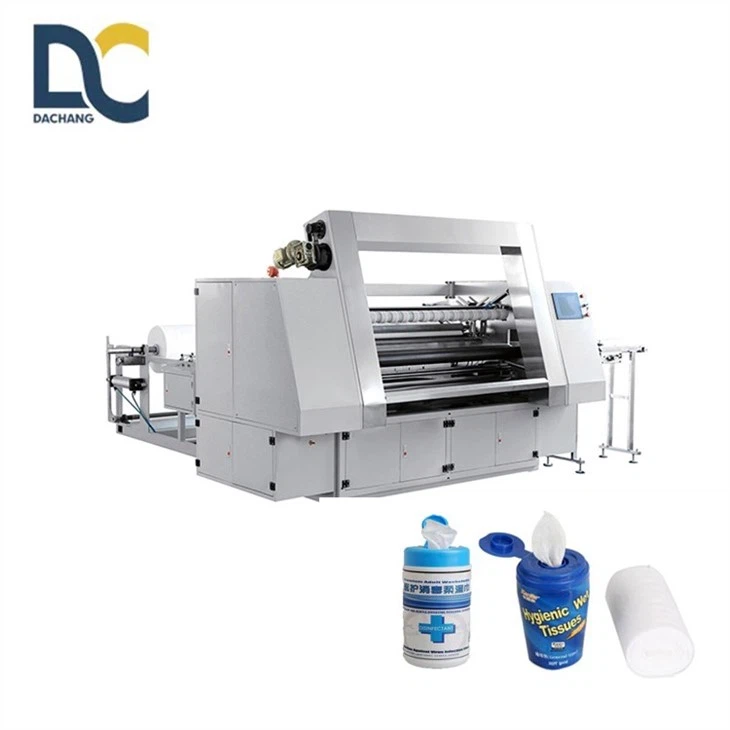
We have Fully Automatic Toilet Paper Making Machine that features a state - of - the - art roll feeding system. This machine is capable of producing a large number of moist wipes per minute, making it ideal for large - scale production.
Our Wet Tissue Roll Making Machine is another excellent option. It uses a roll feeding system with advanced tension control and edge guiding devices to ensure the highest quality of the wet tissue rolls.
For customers who require more precise control over the production process, we offer the Full Automatic Single Sheet Canister Wet Wipe Slitting Rewinding Machine. This machine is equipped with a sheet feeding system that can handle different sheet sizes and shapes with ease.
Conclusion
The feeding system of a moist wipes machine is a complex and crucial part of the production process. It determines the efficiency, quality, and flexibility of the machine. Whether you choose a roll feeding system for high - speed production or a sheet feeding system for precise control, it's important to understand the components and functions of the feeding system.
If you're interested in learning more about our moist wipes machines or have any questions about the feeding system, please don't hesitate to contact us. We're always ready to assist you in finding the best solution for your business. Our team of experts can provide you with detailed information, technical support, and guidance on the selection and operation of our machines. Let's work together to take your moist wipes production to the next level.
References
- "Non - woven Fabric Technology and Applications" by Smith, J.
- "Automation in Packaging Machinery" by Johnson, A.
- "Moist Wipes Production: Principles and Practices" by Brown, K.