




What are the packaging materials suitable for wet wipes production?
 Oct 09, 2025|
 Hey there! As a supplier in the wet wipes production industry, I've been dealing with all sorts of packaging materials for ages. And let me tell you, choosing the right packaging material is super crucial for wet wipes. It's not just about looking good on the shelf; it's about keeping those wipes moist, hygienic, and in top - notch condition until they reach the end - user. So, let's dive into the different packaging materials that are suitable for wet wipes production.
Plastic Films
Plastic films are hands - down one of the most popular choices for wet wipes packaging. They're versatile, cost - effective, and can be customized in a zillion ways.
- Polyethylene (PE): This is like the go - to plastic for wet wipes. PE comes in different forms, such as low - density polyethylene (LDPE) and high - density polyethylene (HDPE). LDPE is flexible and has a nice soft feel. It's great for creating a seal that keeps the moisture in. You often see it used in the individual sachets of wet wipes, like the ones you get in makeup removal packs or baby wipes samples. HDPE, on the other hand, is more rigid. It can be used for the outer packaging of multi - wipe packs. It provides good protection against punctures and keeps the wipes safe during shipping and handling.
- Polypropylene (PP): PP is another excellent option. It's known for its high clarity, which means your wet wipes can be clearly visible through the packaging. This is a big plus for marketing because customers can see what they're buying. PP also has good heat resistance, so it can withstand the sealing process without deforming. It's commonly used in the canister - style packaging for wet wipes. You can easily find it in those large packs of baby wipes or household cleaning wipes.
If you're interested in the machines that can help you produce wet wipes with these plastic film packagings, check out our Wet Wipes Production Machine. It's a state - of - the - art machine that can handle various types of plastic films with ease.
Paper - Based Packaging
Paper may not be the first thing that comes to mind when you think of wet wipes packaging, but it has its own set of advantages.
- Coated Paper: Coated paper is paper that has been treated with a special coating to make it more resistant to moisture. It gives a more natural and eco - friendly look compared to plastic. You can print high - quality graphics on coated paper, making it ideal for branding. For example, some premium - brand wet wipes use coated paper boxes for their products. The coating prevents the paper from getting soggy due to the moisture in the wipes, and it still provides a decent level of protection.
- Paperboard: Paperboard is thicker and sturdier than regular paper. It's often used for the outer packaging of wet wipes. You can find it in the boxes that hold multiple packs of wet wipes. Paperboard is recyclable, which is a huge selling point in today's environmentally - conscious market. It also provides good structural support, keeping the wet wipes in place and protected during storage and transportation.
If you're looking to produce wet wipes with paper - based packaging, our Wet Tissue Roll Making Machine can be adjusted to work with different paper materials. It's a very flexible machine that can meet your specific production needs.
Aluminum Foil
Aluminum foil is a great choice when you need to provide maximum protection for your wet wipes.

- Barrier Properties: Aluminum foil has excellent barrier properties against moisture, oxygen, and light. This means it can keep the wet wipes fresh for a long time. It's often used in combination with other materials, like plastic films, to create a laminate. For example, you might have a layer of aluminum foil sandwiched between two layers of plastic film. This type of packaging is commonly used for medical wet wipes or wipes that contain sensitive ingredients. The aluminum foil ensures that the wipes don't dry out and that the active ingredients in the wipes remain effective.
- Sealing: Aluminum foil can be easily sealed, creating an airtight and watertight package. This is important for maintaining the quality of the wet wipes. It also provides a certain level of tamper - evidence. If the seal is broken, the customer will know that the product may have been compromised.
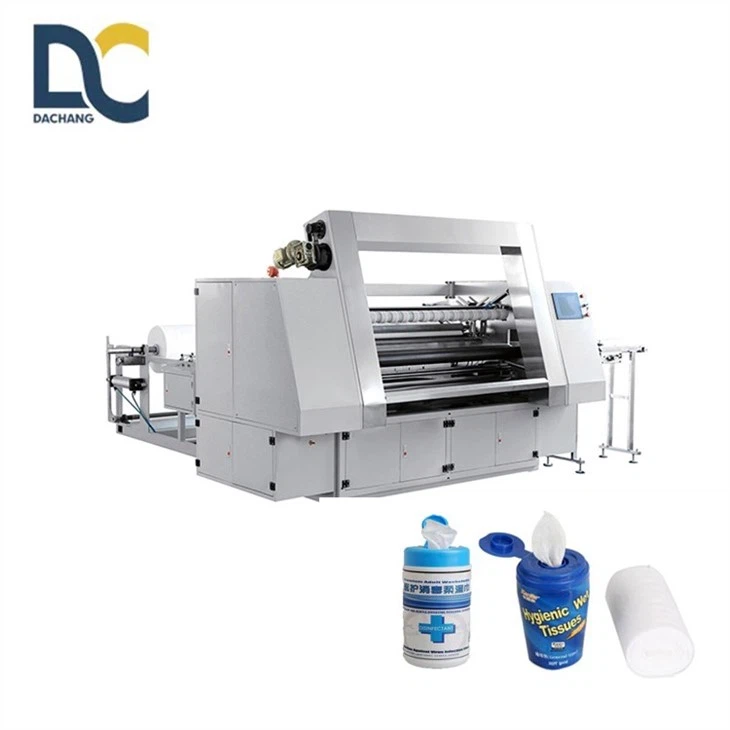
Our Rolled Wipe Machine can be used to produce wet wipes with aluminum foil - based packaging. It's a reliable machine that can handle the unique requirements of working with aluminum foil.
Glass Containers
Although not as common as the other materials, glass containers have their place in the wet wipes market.
- Premium Look and Feel: Glass gives a very high - end and luxurious look to the wet wipes. It's often used for high - end cosmetic wet wipes or wipes that are targeted at a more upscale market. The transparency of glass allows customers to see the quality of the wipes inside. It also has a certain aesthetic appeal that can set your product apart from the competition.
- Chemical Resistance: Glass is highly resistant to chemicals. This means that it won't react with the ingredients in the wet wipes. So, if your wet wipes contain strong cleaning agents or other chemicals, glass can be a great choice for packaging. It ensures that the integrity of the wipes and their ingredients is maintained over time.
However, glass does have some drawbacks. It's heavier and more fragile than other packaging materials, which can increase shipping costs and the risk of breakage during transit.
Considerations When Choosing Packaging Materials
When you're deciding on the packaging material for your wet wipes, there are a few things you need to keep in mind.
- Product Compatibility: The packaging material should be compatible with the ingredients in the wet wipes. For example, if your wet wipes contain alcohol or other solvents, you need to make sure that the packaging material won't be damaged by these substances.
- Cost: Cost is always a factor. You need to balance the quality of the packaging with the cost of production. Plastic films are generally more cost - effective than glass or some of the high - end paper - based materials. But you also need to consider the long - term costs, such as the cost of returns due to damaged packaging.
- Environmental Impact: In today's market, consumers are becoming more and more environmentally conscious. So, choosing a packaging material that is recyclable, biodegradable, or made from sustainable sources can give your product a competitive edge. For example, paper - based packaging and some types of biodegradable plastics are more eco - friendly options.
- Marketing and Branding: The packaging is an important part of your brand identity. You want a packaging material that allows you to showcase your brand logo, colors, and other branding elements. You also want it to stand out on the shelf. For example, if your brand is all about being natural and organic, a paper - based or glass packaging might be a better fit than plastic.
Conclusion
Choosing the right packaging material for wet wipes production is a complex decision that involves considering many factors. Each material has its own advantages and disadvantages, and the best choice depends on your specific product, target market, and production requirements. Whether you're looking for cost - effective plastic films, eco - friendly paper - based packaging, or high - protection aluminum foil, we have the solutions for you.
If you're interested in learning more about our wet wipes production capabilities or have any questions about the packaging materials we've discussed, don't hesitate to reach out. We're here to help you find the perfect packaging solution for your wet wipes. Let's start a conversation and see how we can work together to bring your wet wipes to the market!
References
- Packaging World. "Packaging Materials for Consumer Products."
- Journal of Packaging Science and Technology. "Advances in Packaging Materials for Hygiene Products."
- Smith, John. "The Complete Guide to Wet Wipes Packaging."