




What are the microbial limits in wet wipes production?
 Oct 30, 2025|
 Hey there! As a supplier in the wet wipes production industry, I've had my fair share of experiences and knowledge about the ins and outs of this business. One crucial aspect that often gets overlooked but is super important is the microbial limits in wet wipes production. So, let's dive right in and talk about what these microbial limits are all about.
First off, what are microbes? Well, microbes are tiny living organisms like bacteria, fungi, and viruses. They're everywhere, and while some are actually good for us, others can cause all sorts of problems. In the context of wet wipes, we don't want any harmful microbes hanging around because these wipes are often used for personal hygiene, cleaning surfaces, or even wiping down baby's delicate skin.
So, why do we have microbial limits? The main reason is to ensure the safety and quality of the wet wipes. If there are too many harmful microbes on the wipes, they can pose a risk to the users. For example, bacteria like Staphylococcus aureus can cause skin infections, and fungi can lead to allergic reactions or other health issues. By setting microbial limits, we can make sure that the wet wipes we produce are safe for people to use.
Now, let's get into the nitty - gritty of what these microbial limits actually are. Different countries and regions may have their own standards, but there are some common ones. Generally, for total viable count (TVC), which is the number of all living microorganisms in a sample, the limit is often set at a relatively low number. For example, in many cases, the TVC should be less than 100 colony - forming units (CFU) per gram or per milliliter of the wet wipe solution. This low number helps to minimize the risk of any potential infections or other health problems.
When it comes to specific pathogens, the limits are even stricter. For instance, the presence of Escherichia coli (E. coli) is usually not allowed at all. E. coli is a well - known bacterium that can cause severe gastrointestinal problems. Similarly, Salmonella, another harmful bacterium, should also be absent from wet wipes. These zero - tolerance policies for specific pathogens are in place to protect the health of the consumers.
So, how do we ensure that our wet wipes meet these microbial limits? Well, it starts right from the raw materials. We need to carefully select the ingredients we use. The water used in the wet wipes solution should be of high quality, preferably purified or distilled water. This helps to reduce the initial microbial load. The non - woven fabric used for the wipes also needs to be sourced from reliable suppliers and stored properly to prevent contamination.
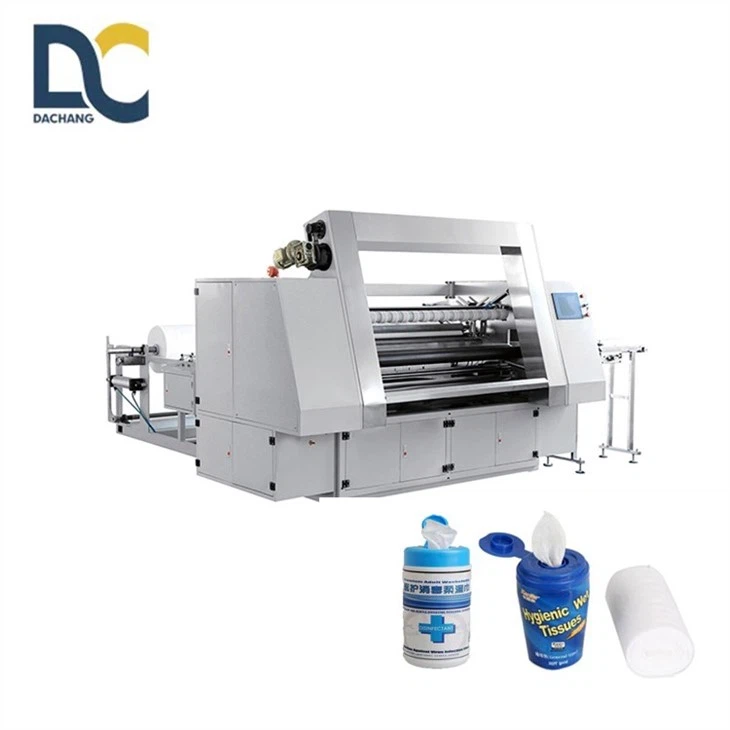
During the production process, strict hygiene practices are a must. Our production facilities are kept clean at all times. We regularly sanitize the equipment, including the DCT - 15C Single Sheet Canister Wet Wipes Machine, Wet Tissue Roll Making Machine, and Cartridge Type Wet Wipes Machine. These machines are the workhorses of our production line, and keeping them clean is crucial to prevent the growth and spread of microbes.
We also use various preservation methods. Preservatives are added to the wet wipes solution to inhibit the growth of microbes. However, we have to be careful with the type and amount of preservatives we use. We need to make sure that they are effective in controlling the microbial growth but also safe for the users. Some common preservatives used in wet wipes include parabens, but there has been some concern about their safety in recent years. So, we're constantly researching and looking for more natural and safer alternatives.
In addition to using preservatives, we also control the production environment. The production area is usually kept at a controlled temperature and humidity. Microbes tend to grow faster in warm and humid conditions, so by keeping the environment cool and dry, we can slow down their growth.
Quality control is another important step. We regularly take samples of the wet wipes during and after production and test them for microbial content. We use advanced laboratory techniques to accurately measure the number of microbes and check for the presence of specific pathogens. If the samples don't meet the microbial limits, we take immediate action. This could involve adjusting the production process, changing the raw materials, or increasing the amount of preservatives.

But it's not just about meeting the minimum requirements. We always strive to go above and beyond to ensure the highest quality of our wet wipes. We invest in research and development to find better ways to control microbial growth and improve the safety of our products. We also keep an eye on the latest industry trends and regulatory changes to make sure that we're always in compliance.
If you're in the market for high - quality wet wipes that meet strict microbial limits, we'd love to talk to you. Whether you're a retailer looking to stock our products or a distributor interested in expanding your product range, we can offer you great - quality wet wipes at competitive prices. Contact us for more information and let's start a great business relationship.
References
- "Microbiological Quality of Wet Wipes: A Review" - Journal of Hygiene and Sanitation
- "Guidelines for Microbial Limits in Personal Care Products" - International Organization for Standardization (ISO)
- "Safety and Efficacy of Preservatives in Wet Wipes" - Journal of Cosmetic Science