




What are the key performance indicators for wet wipes production?
 Jan 16, 2026|
 Hey there! As a supplier in the wet wipes production industry, I've had my fair share of experience figuring out what makes a production process successful. Today, I'm gonna share with you the key performance indicators (KPIs) that we focus on to keep our wet wipes production top - notch.
Production Efficiency
One of the most crucial KPIs in wet wipes production is production efficiency. This measures how well we're using our resources to produce wet wipes. We look at the number of wet wipes produced per hour, day, or week. For instance, if our Wet Wipes Production Machine is running smoothly, we can expect to churn out a certain number of wipes within a specific time frame.
Downtime is also a big factor here. Any time the machines are not running due to maintenance, breakdowns, or changeovers, it eats into our production time. We aim to keep downtime as low as possible. Regular maintenance of our Wet Tissue Roll Making Machine and Roll Type Wet Tissue Making Machine helps in achieving this. If we can minimize the time it takes to switch from producing one type of wet wipe to another, we can significantly boost our overall production efficiency.
Quality Control
Quality is non - negotiable in the wet wipes business. We have several KPIs to ensure that every single wet wipe that leaves our factory meets the highest standards.
Firstly, we look at the defect rate. This is the percentage of wet wipes that don't meet our quality criteria. Defects can include things like uneven moisture content, torn wipes, or incorrect packaging. A low defect rate indicates that our production process is well - controlled. We use automated inspection systems to catch these defects early in the production line.
Another important quality - related KPI is the consistency of the wet wipes. The thickness, size, and moisture level of each wipe should be consistent across the batch. We regularly take samples from the production line and measure these parameters. If there's too much variation, it could lead to customer dissatisfaction.
Cost Management
Cost is always a major concern in any production business, and wet wipes production is no exception. We keep a close eye on several cost - related KPIs.
Raw material cost is a big one. The cost of the fabric, chemicals, and packaging materials can fluctuate. We need to find the right balance between quality and cost when sourcing these materials. For example, using a lower - quality fabric might reduce the cost, but it could also increase the defect rate.
Labor cost is another factor. We need to ensure that our workforce is productive and that we're not overstaffed. By optimizing our production processes, we can get more done with fewer employees.
Energy cost is also significant, especially since our machines consume a lot of power. We're constantly looking for ways to make our production more energy - efficient, such as using energy - saving modes on our machines.
Inventory Management
Proper inventory management is essential for a smooth wet wipes production process. We have two main types of inventory to manage: raw materials and finished products.
For raw materials, we track the inventory turnover ratio. This measures how quickly we're using up our raw materials. A high turnover ratio indicates that we're not holding onto excess inventory, which can tie up our capital. We need to ensure that we have enough raw materials on hand to meet production demands, but not so much that they start to expire or become obsolete.
For finished products, we look at the stock - out rate. This is the percentage of time when we don't have enough wet wipes in stock to meet customer orders. A high stock - out rate can lead to lost sales and unhappy customers. On the other hand, over - stocking can increase storage costs.
Customer Satisfaction
At the end of the day, our customers are the ones who matter the most. We measure customer satisfaction through several KPIs.
One of the most straightforward ways is through customer feedback. We encourage our customers to leave reviews and ratings. We also conduct surveys to get more detailed information about their experience with our wet wipes.
Another important KPI is the repeat purchase rate. If a large percentage of our customers come back for more, it's a good sign that they're satisfied with our products. We also look at the number of customer complaints. A low number of complaints indicates that our products are meeting or exceeding customer expectations.
Environmental Impact
In today's world, environmental sustainability is becoming increasingly important. We're committed to reducing our environmental impact, and we have a few KPIs to measure our progress.
We track the amount of waste generated during the production process. This includes both solid waste, like leftover fabric scraps, and liquid waste from the chemicals. We're constantly looking for ways to reduce this waste, such as recycling or reusing materials.
Energy consumption is also a key environmental KPI. By reducing our energy usage, we not only save on costs but also reduce our carbon footprint. We're exploring the use of renewable energy sources, like solar power, to power our production facilities.
Market Share
Finally, we look at our market share as a KPI. This measures the percentage of the total wet wipes market that our products hold. A growing market share indicates that our products are competitive and that we're attracting more customers.
We analyze market trends and competitor activities to understand how we can increase our market share. This might involve launching new products, improving our marketing strategies, or offering better prices.
In conclusion, these are the key performance indicators that we focus on in our wet wipes production business. By monitoring and optimizing these KPIs, we can ensure that our production process is efficient, our products are of high quality, and our business is profitable.

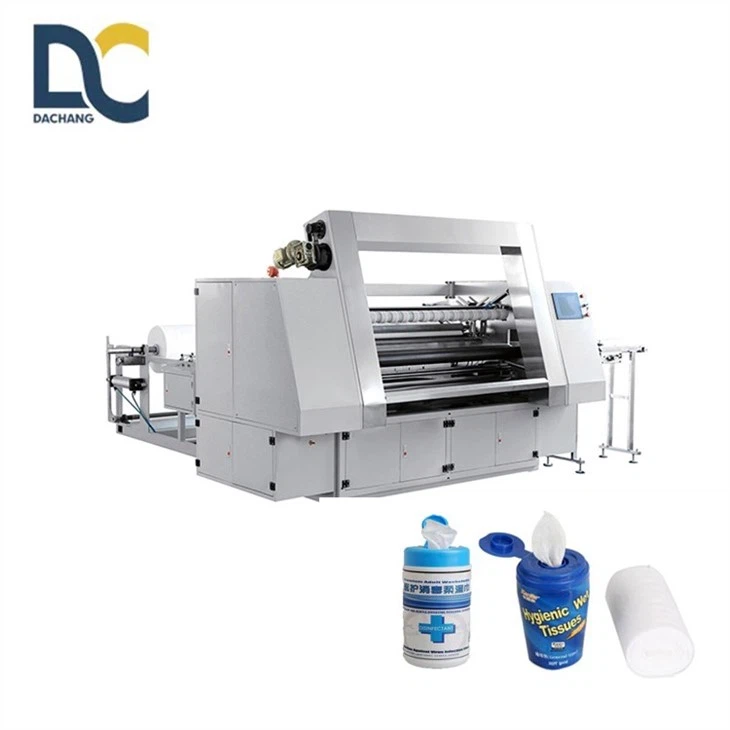
If you're interested in sourcing high - quality wet wipes or learning more about our production capabilities, feel free to reach out. We're always open to new business opportunities and partnerships.
References
- "Production Management Handbook"
- "Quality Control in the Manufacturing Industry"
- "Inventory Management Best Practices"