




What are the factors influencing the production efficiency of wet wipes production lines?
 Jan 14, 2026|
 Hey there! As a supplier in the wet wipes production industry, I've been in the trenches, dealing with all the ins and outs of wet wipes production lines. Over the years, I've noticed that a bunch of factors can really impact the production efficiency of these lines. So, I thought I'd share some insights on this topic.
1. Machine Quality and Performance
The quality of the machines you use in your wet wipes production line is a no - brainer when it comes to efficiency. High - quality machines are built to last and can handle continuous operation without breaking down frequently. For example, the DCT - 15C Single Sheet Canister Wet Wipes Machine is an absolute beast. It's designed to produce single - sheet canister wet wipes at a high speed, with precision and reliability. This machine has advanced features that allow for quick changeovers between different product specifications, which saves a ton of time.
On the other hand, if you go for cheap, low - quality machines, you're likely to face a lot of downtime due to breakdowns and maintenance issues. These machines may not be able to keep up with the production demands, and you'll end up spending more time fixing them than actually producing wet wipes.
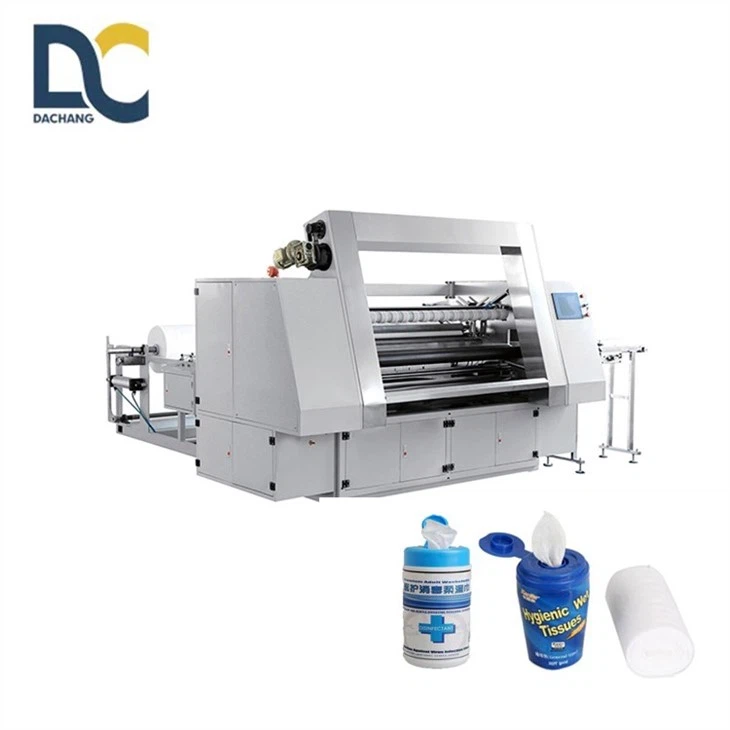
Another important aspect is the machine's performance in terms of speed and accuracy. A high - speed machine can produce more wet wipes in less time, but it also needs to be accurate. If the machine is constantly mis - cutting or mis - folding the wipes, you'll have a lot of waste, which is not only costly but also reduces the overall production efficiency. The Full Automatic Single Sheet Canister Wet Wipe Slitting Rewinding Machine is a great example of a machine that combines speed and accuracy. It can slit and rewind the wet wipes with high precision, ensuring that each product meets the quality standards.
2. Raw Materials
The quality and availability of raw materials play a huge role in the production efficiency of wet wipes. First of all, the quality of the non - woven fabric used for the wipes is crucial. If the fabric is of poor quality, it may tear easily during the production process, causing jams in the machines. This not only stops the production but also requires time to clean up the mess and restart the machines.
The availability of raw materials is also a big deal. If you run out of a key raw material, like the non - woven fabric or the liquid solution used to moisten the wipes, your production line will come to a halt. That's why it's important to have a reliable supply chain in place. You need to work with suppliers who can deliver the materials on time and in the right quantity.
Moreover, the compatibility of the raw materials with the machines is essential. Some machines are designed to work with specific types of non - woven fabrics or liquid solutions. If you use incompatible materials, the machines may not function properly, leading to reduced efficiency. For example, if the liquid solution is too thick or has the wrong chemical composition, it may clog the nozzles in the wetting system of the machine.
3. Operator Skills and Training
The people operating the wet wipes production line are just as important as the machines themselves. Skilled operators know how to run the machines efficiently, troubleshoot problems quickly, and make adjustments to ensure optimal performance. They can also identify potential issues before they turn into major problems, which helps to minimize downtime.
Proper training is key to having skilled operators. When new employees join the production team, they should receive comprehensive training on how to operate the machines, follow safety procedures, and maintain quality control. Ongoing training is also important to keep the operators updated on the latest technologies and best practices in wet wipes production.
For instance, an operator who is trained on the Wet Tissue Roll Making Machine will know how to set up the machine correctly, adjust the tension of the fabric, and monitor the quality of the rolls being produced. This kind of knowledge and skill can significantly improve the production efficiency of the line.
4. Production Layout and Organization
The layout of the wet wipes production line can have a big impact on efficiency. A well - organized layout allows for smooth flow of materials and products through the production process. For example, the raw materials should be stored close to the machines where they are used, so that the operators can easily access them. This reduces the time spent on transporting materials, which in turn increases the production speed.
The workstations should also be arranged in a logical order. The different stages of the production process, such as cutting, folding, wetting, and packaging, should be located in a way that minimizes the movement of the products. This reduces the risk of damage to the wipes and also makes it easier for the operators to keep track of the production.
In addition, having a clean and organized production environment is important. A cluttered workspace can lead to accidents, lost tools, and wasted time looking for things. Regular cleaning and maintenance of the production area can help to keep everything running smoothly.
5. Maintenance and Upkeep
Regular maintenance of the wet wipes production line is essential for maintaining high efficiency. Machines need to be lubricated, calibrated, and inspected on a regular basis to ensure that they are in good working condition. This helps to prevent breakdowns and extends the lifespan of the machines.

Scheduled maintenance should be planned in advance, so that it doesn't interfere with the production schedule too much. For example, you can schedule maintenance during off - peak production hours or on weekends. This way, you can minimize the impact on the overall production output.
Upgrading the machines when necessary is also a good idea. New technologies can improve the performance and efficiency of the production line. For example, installing a new control system on the machines can make them more automated and easier to operate, which can increase the production speed and reduce the risk of human error.
6. Quality Control
Quality control is an important factor in production efficiency. If you produce a lot of defective wet wipes, you'll have to spend time and resources on rework or disposal. This not only reduces the production output but also increases the cost.
By having a strict quality control system in place, you can catch defects early in the production process. This allows you to make adjustments to the machines or the production process to prevent further defects. For example, if you notice that a certain batch of wet wipes has a problem with the moisture content, you can adjust the wetting system of the machine to correct the issue.
Conclusion
So, there you have it! These are some of the main factors that can influence the production efficiency of wet wipes production lines. As a supplier, I know how important it is to optimize these factors to ensure that your production line is running at its best.
If you're in the market for wet wipes production equipment or have any questions about improving the efficiency of your production line, don't hesitate to reach out. We're here to help you make the most of your production process and achieve your business goals. Let's start a conversation and see how we can work together to take your wet wipes production to the next level!
References
- Various industry reports on wet wipes production
- Manufacturer's manuals for the mentioned wet wipes machines