




What are the factors affecting the performance of a tissue folding machine?
 Nov 04, 2025|
 In the realm of tissue product manufacturing, the performance of a tissue folding machine is of paramount importance. As a dedicated tissue folding machine supplier, I have witnessed firsthand the diverse factors that can significantly impact the efficiency, quality, and overall performance of these machines. In this blog post, I will delve into the key elements that influence the performance of a tissue folding machine, providing valuable insights for manufacturers and industry professionals.
1. Machine Design and Construction
The design and construction of a tissue folding machine lay the foundation for its performance. A well - designed machine takes into account factors such as the type of tissue being folded, the required folding pattern, and the production speed.
- Frame and Structure: A sturdy and rigid frame is essential to ensure stability during operation. Vibrations can lead to misfolding, uneven tension, and reduced product quality. High - quality materials and precision engineering in the frame construction minimize these issues. For example, a machine with a heavy - duty steel frame can better withstand the mechanical stresses associated with high - speed folding, resulting in more consistent performance.
- Folding Mechanisms: Different folding patterns require specific folding mechanisms. Whether it's a simple C - fold, Z - fold, or more complex patterns, the design of the folding plates, rollers, and guides must be optimized. Advanced folding mechanisms are often adjustable, allowing for flexibility in producing various tissue products. For instance, a machine with adjustable folding plates can easily accommodate different tissue thicknesses and folding requirements, enhancing its versatility.
2. Material Quality
The quality of the tissue material being processed is a critical factor in the performance of the folding machine.
- Tissue Thickness and Density: Tissue with inconsistent thickness or density can cause problems during folding. If the tissue is too thick in some areas and too thin in others, it may not fold evenly, leading to jams or misaligned folds. Machines are typically designed to handle a specific range of tissue thicknesses, and using tissue outside of this range can significantly affect performance. For example, a machine calibrated for thin facial tissues may struggle to fold thick industrial wipes efficiently.
- Tissue Strength and Tensile Properties: The strength and tensile properties of the tissue determine its ability to withstand the mechanical forces exerted during folding. Weak tissue may tear or break, causing production downtime for cleaning and re - threading. On the other hand, tissue with excessive stiffness can also pose challenges, as it may not conform well to the folding mechanisms. High - quality tissue with consistent strength and appropriate tensile properties ensures smooth folding operations.
3. Machine Speed and Throughput
The desired production speed and throughput of the tissue folding machine are important considerations.
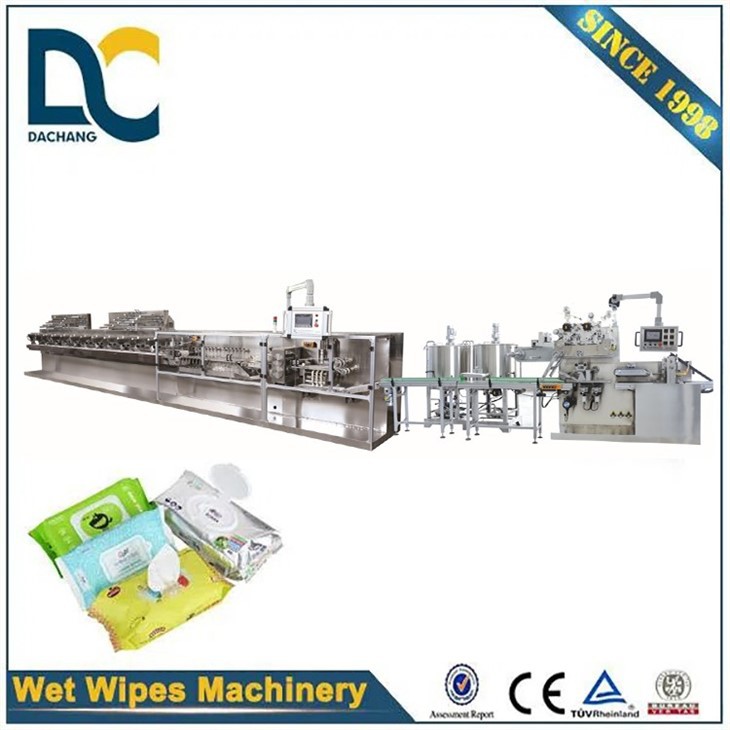

- Motor Power and Drive System: The motor power and drive system of the machine must be capable of achieving the required speed. A powerful motor can maintain consistent speed even under heavy loads, ensuring efficient production. For example, a high - speed tissue folding machine may require a high - torque motor to drive the folding and conveying mechanisms smoothly.
- Conveyor and Feeding Systems: The conveyor and feeding systems play a crucial role in maintaining a continuous flow of tissue through the machine. A well - designed conveyor system ensures that the tissue is fed evenly and at the correct speed. Any disruptions in the feeding process, such as uneven feeding or jams, can reduce the overall throughput of the machine. For instance, a conveyor with adjustable speed and tension control can better adapt to different tissue materials and production requirements.
4. Operator Skill and Training
The skill and training of the machine operator have a direct impact on the performance of the tissue folding machine.
- Machine Setup and Calibration: Proper machine setup and calibration are essential for optimal performance. Operators need to understand how to adjust the folding mechanisms, set the correct tension on the tissue, and calibrate the machine for different tissue types and folding patterns. A trained operator can quickly identify and correct any issues during setup, minimizing downtime and ensuring high - quality production. For example, an experienced operator can accurately adjust the folding plates to achieve the desired fold width and alignment.
- Troubleshooting and Maintenance: Operators should be trained to troubleshoot common problems that may occur during operation, such as jams, misfolding, or mechanical failures. Regular maintenance is also crucial for the long - term performance of the machine. Operators who are knowledgeable about basic maintenance tasks, such as lubrication, cleaning, and inspection, can prevent minor issues from escalating into major problems. For instance, an operator who knows to clean the folding rollers regularly can prevent the buildup of tissue debris, which can affect folding quality.
5. Environmental Factors
The operating environment of the tissue folding machine can influence its performance.
- Temperature and Humidity: Extreme temperatures and high humidity can affect the properties of the tissue material. In high - humidity environments, the tissue may absorb moisture, becoming softer and more prone to tearing. Low temperatures, on the other hand, can make the tissue more brittle. Additionally, temperature and humidity can also impact the mechanical components of the machine. For example, excessive heat can cause the lubricants in the machine to break down, leading to increased friction and wear. Maintaining a stable operating environment with controlled temperature and humidity levels can help ensure consistent performance.
- Dust and Debris: A clean operating environment is essential for the proper functioning of the folding machine. Dust and debris can accumulate on the folding mechanisms, rollers, and sensors, causing malfunctions and reducing the quality of the folded tissue. Regular cleaning and the use of dust - control measures, such as air filters and vacuum systems, can help minimize the impact of dust and debris on the machine's performance.
6. Maintenance and Servicing
Regular maintenance and servicing are vital for the long - term performance of the tissue folding machine.
- Preventive Maintenance: A preventive maintenance schedule should be established to ensure that all components of the machine are inspected, cleaned, and lubricated at regular intervals. This includes checking the belts, chains, gears, and bearings for wear and tear, and replacing any worn parts before they cause a breakdown. For example, replacing a worn conveyor belt in a timely manner can prevent tissue jams and ensure smooth operation.
- Professional Servicing: In addition to preventive maintenance, periodic professional servicing by trained technicians is recommended. Technicians can perform more in - depth inspections, calibrations, and repairs to keep the machine in optimal condition. They can also provide valuable advice on machine upgrades and improvements based on the latest industry trends and technological advancements.
7. Automation and Control Systems
Modern tissue folding machines are often equipped with advanced automation and control systems, which can enhance performance in several ways.
- Programmable Logic Controllers (PLCs): PLCs allow for precise control of the machine's functions, such as speed, folding patterns, and feeding rates. Operators can easily program the machine to produce different tissue products with specific folding requirements, reducing the need for manual adjustments. For example, a PLC - controlled machine can automatically adjust the folding speed based on the tissue thickness, ensuring consistent performance across different product runs.
- Sensors and Feedback Loops: Sensors are used to monitor various parameters during the folding process, such as tissue tension, position, and fold quality. Feedback loops then use this information to make real - time adjustments to the machine's operation. For instance, if a sensor detects a misaligned fold, the control system can automatically adjust the folding mechanism to correct the issue, improving the overall quality of the folded tissue.
As a tissue folding machine supplier, we understand the importance of these factors in ensuring the optimal performance of our machines. We offer a range of high - quality tissue folding machines, including the Baby Wet Wipe Folding Machine, Full Automatic Baby Wet Wipe Folding Machine, and Wet Wipe Production Line With Lid Applicator Machine. Our machines are designed with the latest technology and engineering principles to meet the diverse needs of our customers.
If you are in the market for a tissue folding machine and want to discuss your specific requirements, we invite you to contact us for a detailed consultation. Our team of experts is ready to provide you with professional advice and solutions to help you achieve the best performance for your tissue production.
References
- Smith, J. (2020). "Advances in Tissue Folding Machine Technology." Journal of Tissue Manufacturing, 15(2), 34 - 42.
- Johnson, A. (2019). "Factors Affecting the Efficiency of Tissue Processing Equipment." Industrial Manufacturing Review, 22(3), 56 - 63.
- Brown, C. (2018). "Optimizing Tissue Folding Machine Performance through Material Selection." Tissue Productivity Journal, 12(4), 78 - 85.