




What are the challenges in wet wipes production?
 Sep 30, 2025|
 As a supplier in the wet wipes production industry, I've witnessed firsthand the numerous challenges that come with manufacturing these seemingly simple yet highly in - demand products. In this blog, I'll delve into the key challenges faced in wet wipes production and how they impact our operations.
Raw Material Sourcing and Quality Control
One of the primary challenges in wet wipes production is sourcing high - quality raw materials. The two main components of wet wipes are the non - woven fabric and the liquid solution.
Non - woven fabric serves as the base of the wet wipes. It needs to have the right texture, strength, and absorbency. Sourcing a consistent supply of high - quality non - woven fabric can be difficult. There are various types of non - woven fabrics available in the market, such as spunlace, spunbond, and meltblown. Each type has different characteristics, and choosing the right one depends on the intended use of the wet wipes. For example, baby wipes require a soft and gentle fabric, while industrial wipes need to be more durable.
Moreover, the quality of non - woven fabrics can vary significantly between suppliers. Inconsistent quality can lead to issues such as uneven wetting, tearing during production or use, and poor overall performance of the wet wipes. To ensure quality, we need to conduct thorough inspections and tests on incoming raw materials. This includes checking for factors like fiber content, thickness, and tensile strength.
The liquid solution is another crucial raw material. It contains various ingredients such as water, preservatives, moisturizers, and fragrances. The formulation of the liquid solution must be carefully balanced to provide the desired cleaning, moisturizing, and antibacterial properties. However, sourcing high - quality ingredients can be a challenge, especially when it comes to natural and organic ingredients. These ingredients are often more expensive and may have limited availability.
In addition, the use of certain chemicals in the liquid solution can be restricted due to regulatory requirements. For example, some preservatives may be banned in certain countries or regions due to potential health risks. This means that we need to stay updated with the latest regulations and adjust our formulations accordingly.
Manufacturing Process Complexity
The wet wipes manufacturing process is complex and involves several steps, including fabric unwinding, cutting, wetting, folding, and packaging. Each step requires precise control and coordination to ensure the quality and consistency of the final product.
The cutting process is critical as it determines the size and shape of the wet wipes. Any inaccuracies in cutting can lead to uneven wipes or wasted material. To achieve high - precision cutting, we use advanced cutting machines that are calibrated regularly. However, these machines are expensive to purchase and maintain, and they require skilled operators to ensure optimal performance.
The wetting process is another crucial step. The liquid solution needs to be evenly distributed across the non - woven fabric to ensure that each wipe has the same level of moisture. This requires the use of specialized wetting equipment, such as spray nozzles or immersion tanks. However, achieving uniform wetting can be challenging, especially when dealing with different types of fabrics and liquid formulations.
Folding and packaging are also important steps in the manufacturing process. The wet wipes need to be folded neatly and packed in a way that prevents drying out and contamination. There are different types of packaging options available, such as canisters, packets, and tubs. Each packaging type has its own requirements and challenges. For example, canister packaging requires a specific type of machine, like the DCT - 15C Single Sheet Canister Wet Wipes Machine, which can precisely insert the wipes into the canister and seal it properly.
Regulatory Compliance
The wet wipes industry is subject to strict regulations and standards, which vary from country to country. These regulations cover various aspects of wet wipes production, including raw material safety, product labeling, and manufacturing processes.
In terms of raw material safety, as mentioned earlier, certain chemicals may be restricted or banned due to health and environmental concerns. For example, some countries have strict regulations on the use of formaldehyde - releasing preservatives in baby wipes. We need to ensure that our raw materials comply with these regulations to avoid legal issues and product recalls.
Product labeling is another important area of regulatory compliance. The labels on wet wipes must provide accurate information about the product, including its ingredients, usage instructions, and any warnings or precautions. In some countries, there are specific requirements for the font size, language, and placement of information on the label. Failure to comply with these labeling requirements can result in fines and damage to our brand reputation.
Manufacturing processes also need to comply with certain standards. For example, good manufacturing practices (GMP) require us to maintain a clean and hygienic production environment, implement quality control measures, and keep detailed records of production activities. Meeting these standards requires additional investment in equipment, training, and documentation.
Market Competition
The wet wipes market is highly competitive, with many suppliers offering similar products. To stand out in the market, we need to offer high - quality products at competitive prices. This can be challenging, especially when faced with rising raw material costs and production expenses.
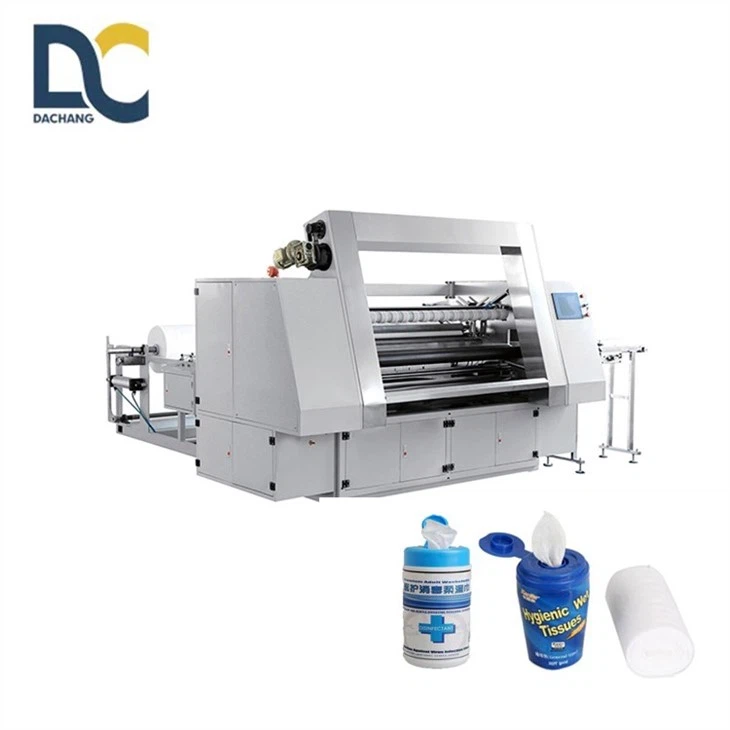
To reduce costs, we need to optimize our manufacturing processes and find ways to increase efficiency. For example, we can invest in more advanced equipment, such as the Wet Tissue Roll Making Machine, which can improve productivity and reduce waste. However, these investments require a significant amount of capital, and there is always a risk that the technology may become obsolete in a few years.
In addition to cost - competitiveness, we also need to focus on product innovation. Consumers are constantly looking for new and improved wet wipes with additional features, such as natural ingredients, eco - friendly packaging, and unique scents. To meet these demands, we need to invest in research and development to create new product formulations and packaging designs. However, R & D is a costly and time - consuming process, and there is no guarantee that the new products will be successful in the market.
Equipment Maintenance and Upgrades
The wet wipes production process relies heavily on specialized equipment, and keeping this equipment in good working condition is essential for smooth production. Regular maintenance is required to prevent breakdowns and ensure the quality of the products.
Equipment maintenance involves tasks such as cleaning, lubricating, and replacing worn - out parts. However, finding skilled technicians who are familiar with the specific equipment used in wet wipes production can be a challenge. In addition, the cost of spare parts can be high, especially for imported equipment.
As technology advances, we also need to consider upgrading our equipment to improve productivity and product quality. For example, the DC - 16 Semi - auto Roll Type Wet Wipe Machine Cost offers certain features that can enhance the efficiency of the production process. However, equipment upgrades require significant financial investment, and we need to carefully evaluate the return on investment before making a decision.
Conclusion
In conclusion, wet wipes production is a challenging industry that requires careful management of raw materials, manufacturing processes, regulatory compliance, market competition, and equipment maintenance. As a supplier, we need to constantly adapt to these challenges to ensure the quality and competitiveness of our products.

Despite these challenges, the demand for wet wipes continues to grow, driven by factors such as increasing consumer awareness of hygiene, the growing baby care market, and the expansion of the healthcare and industrial sectors. To meet this growing demand, we are committed to investing in research and development, improving our manufacturing processes, and providing high - quality products to our customers.
If you are interested in purchasing wet wipes or discussing potential business opportunities, we invite you to reach out to us for further discussions. We are eager to engage in procurement negotiations and work together to meet your specific needs.
References
- "Wet Wipes Manufacturing: Processes and Technologies" - Industry Report
- "Regulatory Guidelines for Consumer Products in the Wet Wipes Industry" - Government Publication
- "Market Trends in the Wet Wipes Sector" - Market Research Report