




How to test the solubility of additives in wet wipes production?
 Nov 20, 2025|
 Hey there! As a supplier in the wet wipes production industry, I've faced my fair share of challenges, and one biggie is testing the solubility of additives in wet wipes. It might sound like a small thing, but it can make or break the quality of our products. So, I'm gonna share with you how we go about testing the solubility of additives in wet wipes production.
Why Solubility Matters
First off, let's talk about why solubility is such a big deal. Additives in wet wipes can serve various purposes, like antibacterial properties, moisturizing, or giving a nice fragrance. But if these additives don't dissolve properly in the solution used to soak the wipes, it can lead to all sorts of problems. You might end up with clumps on the wipes, uneven distribution of the additive, or even a change in the physical properties of the wipes. That's not what we want when we're trying to produce high - quality wet wipes.
Step 1: Select the Right Additives
Before we even start testing solubility, we need to pick the right additives. We look for additives that are commonly used in the wet wipes industry and have a good reputation for safety and performance. There are a ton of options out there, so we do our research and sometimes even consult with suppliers to find the best ones for our specific needs.
Step 2: Prepare the Solvent
The solvent is usually water, but we might also add some other substances to it depending on the type of wet wipes we're making. For example, if we're making baby wipes, we want to use a gentle solvent that won't irritate the baby's skin. We make sure the water is clean and free from impurities that could affect the solubility test.
Step 3: Set Up the Testing Environment
We need to create a stable environment for the solubility test. The temperature and pressure can have a big impact on how well an additive dissolves. So, we usually conduct the tests at a constant temperature, around 25°C, which is a common temperature in most production facilities. We also make sure the testing area is clean and free from any contaminants that could mess up the results.
Step 4: Measure the Additives
Accuracy is key here. We use precise measuring tools to add the right amount of additives to the solvent. We start with a small amount and gradually increase it to see at what point the additive stops dissolving. For example, if we're testing a preservative additive, we might start with 0.1% of the total solution volume and then increase it in increments of 0.05%.
Step 5: Mixing
Once we've added the additive to the solvent, we mix them thoroughly. We use a magnetic stirrer or a mixer to ensure that the additive is evenly distributed in the solvent. The mixing time can vary depending on the type of additive. Some additives dissolve quickly, while others might take longer. We usually mix for at least 15 - 20 minutes to give the additive enough time to dissolve.
Step 6: Observe and Analyze
After mixing, we let the solution sit for a while to see if any undissolved particles settle at the bottom. We use a microscope or a simple visual inspection to check for any signs of clumping or precipitation. If we see undissolved particles, we note down the amount of additive we used at that point. This helps us determine the maximum solubility of the additive in our solvent.
Step 7: Repeat the Tests
To make sure our results are accurate, we repeat the solubility tests several times. Different batches of additives can have slight variations in their properties, so multiple tests help us get a more reliable picture of the solubility. We also test different combinations of additives to see if they interact with each other and affect solubility.
Using the Right Equipment
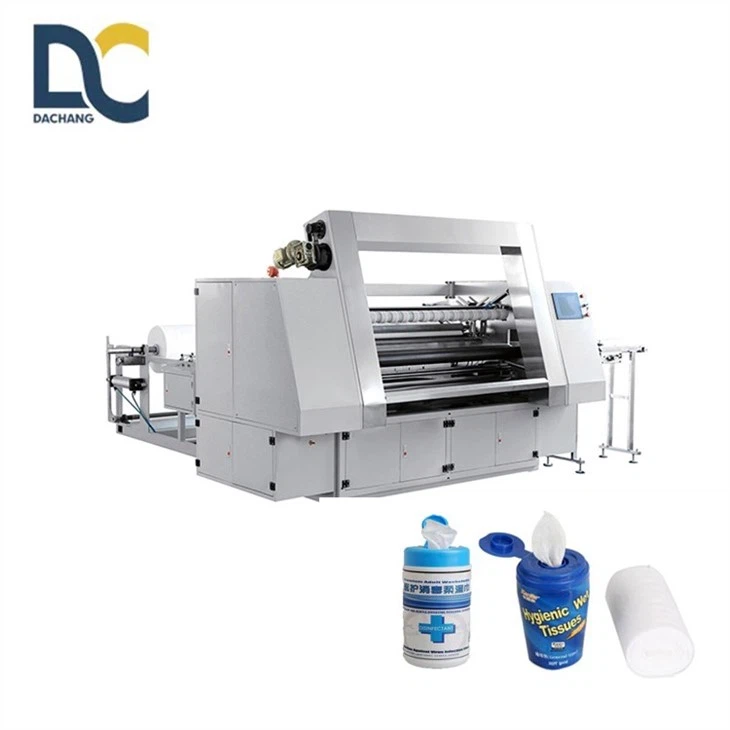
In our wet wipes production, we rely on some great machines. For example, the DC - 16 Semi - auto Roll Type Wet Wipe Machine Cost is a fantastic piece of equipment. It's semi - automatic, which gives us a good balance between efficiency and control. And the Roll Type Wet Wipe Machine is great for producing wet wipes in roll form, which is a popular format in the market. Also, the Wet Tissue Roll Making Machine helps us create high - quality wet tissue rolls.

Applying the Results
Once we've determined the solubility of the additives, we use this information in our production process. We make sure to use the right amount of additives so that they dissolve completely in the solution. This ensures that our wet wipes have a consistent quality and performance.
Contact for Purchase and Consultation
If you're in the market for wet wipes or want to learn more about our production process, we'd love to hear from you. Whether you're interested in our high - quality wet wipes or the machines we use, feel free to reach out. We're always happy to have a chat and discuss how we can meet your needs.
References
- Aulton, M. E., & Taylor, P. K. (2013). Aulton's Pharmaceutics: The Design and Manufacture of Medicines. Churchill Livingstone.
- Rowe, R. C., Sheskey, P. J., & Quinn, M. E. (2018). Handbook of Pharmaceutical Excipients. Pharmaceutical Press.