




How to install wet wipe machinery?
 Dec 31, 2025|
 Hey there! As a supplier of wet wipe machinery, I'm super stoked to share with you the ins and outs of installing wet wipe machines. Whether you're a newbie in the wet wipe business or looking to expand your production line, this guide will walk you through the installation process step by step.
Before You Start
First things first, you gotta make sure you've got everything in place before diving into the installation. Here's a quick checklist:
- Space: Find a suitable location for your wet wipe machine. It should be a clean, dry area with enough space for the machine, operators, and any additional equipment. Make sure there's good ventilation to keep the air fresh and prevent any build-up of fumes.
- Power Supply: Check the power requirements of your machine and ensure that you have a stable power source. Most wet wipe machines run on three-phase power, so make sure your electrical system can handle it. You might want to consult an electrician to double-check everything.
- Water Supply: Wet wipe machines need a constant supply of clean water. Make sure you have a reliable water source nearby and that the water quality meets the machine's requirements. You may need to install a water filtration system if the water in your area is not up to par.
- Raw Materials: Gather all the necessary raw materials, such as non-woven fabric, liquid solution, and packaging materials. Having everything ready will make the installation process go much smoother.
Unpacking and Inspection
Once you've got all the prerequisites sorted, it's time to unpack the machine and give it a thorough inspection. Here's what you need to do:

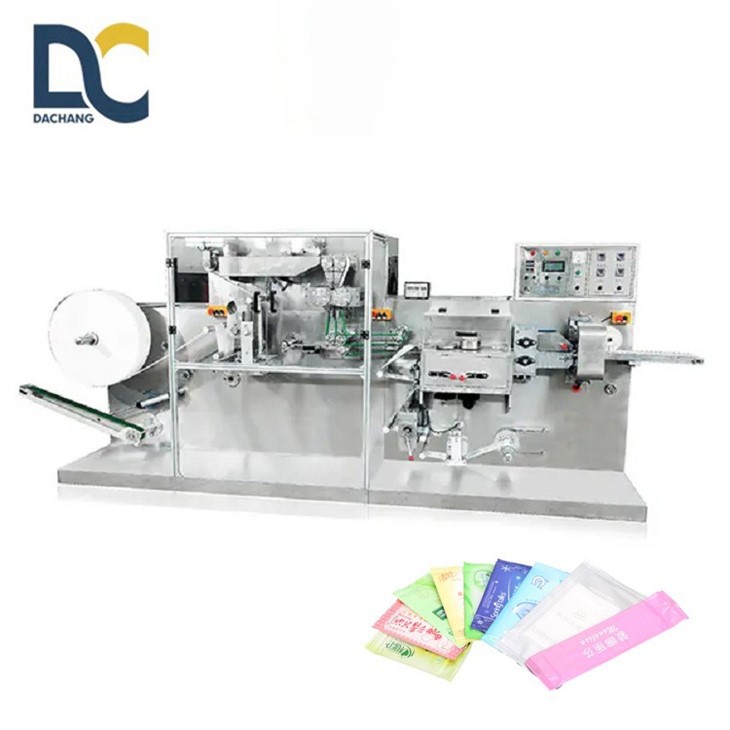
- Carefully Unpack: Use a forklift or other appropriate equipment to carefully unpack the machine from its shipping container. Be extra careful not to damage any parts during the unpacking process.
- Check for Damage: Inspect the machine for any signs of damage or missing parts. If you notice anything wrong, contact your supplier immediately to arrange for replacement parts or repairs.
- Clean the Machine: Wipe down the machine with a clean, dry cloth to remove any dust or debris that may have accumulated during shipping. This will help prevent any contamination during the installation process.
Assembly
Now that the machine is unpacked and inspected, it's time to start assembling it. Here's a general overview of the assembly process:
- Follow the Manual: Every wet wipe machine comes with a detailed installation manual. Make sure you read it carefully and follow all the instructions step by step. The manual will provide you with specific information on how to assemble the machine, including diagrams and illustrations.
- Install the Frame: Start by installing the machine's frame. This is usually the base of the machine and provides support for all the other components. Use the appropriate tools to secure the frame to the floor or a stable surface.
- Attach the Conveyor Belt: Next, attach the conveyor belt to the machine. The conveyor belt is responsible for moving the wet wipes through the production process. Make sure it's properly aligned and tensioned to ensure smooth operation.
- Install the Liquid Tank: The liquid tank is where the wet wipe solution is stored. Install it according to the manufacturer's instructions and connect it to the machine's pumping system. Make sure the tank is clean and free of any contaminants before filling it with the solution.
- Connect the Electrical and Water Lines: Connect all the electrical and water lines to the machine. Make sure all the connections are secure and that there are no leaks. Double-check the wiring to ensure that it's properly grounded and that all the switches and controls are working correctly.
- Install the Packaging Unit: If your machine comes with a packaging unit, install it according to the instructions. The packaging unit is responsible for wrapping the wet wipes in individual packets or containers. Make sure it's properly aligned and adjusted to ensure accurate packaging.
Testing and Calibration
Once the machine is assembled, it's time to test it and make any necessary adjustments. Here's what you need to do:
- Power On the Machine: Turn on the power supply and let the machine warm up for a few minutes. Check all the indicators and displays to make sure they're working correctly.
- Run a Test Cycle: Start the machine and run a test cycle to make sure it's operating smoothly. Feed some raw materials into the machine and observe the production process. Check for any jams, leaks, or other issues.
- Adjust the Settings: If necessary, adjust the machine's settings to optimize its performance. This may include adjusting the speed, temperature, pressure, or other parameters. Refer to the installation manual for specific instructions on how to make these adjustments.
- Calibrate the Sensors: Most wet wipe machines are equipped with sensors to detect the presence of raw materials, monitor the production process, and ensure quality control. Calibrate these sensors according to the manufacturer's instructions to ensure accurate operation.
Training and Support
Installing a wet wipe machine is just the first step. To ensure that your machine operates efficiently and effectively, you need to provide your operators with proper training and support. Here's what you can do:
- Training Program: Work with your supplier to develop a comprehensive training program for your operators. The training program should cover all aspects of the machine's operation, including safety procedures, maintenance, troubleshooting, and quality control.
- On-Site Training: Arrange for on-site training by your supplier's technicians. This will allow your operators to learn directly from the experts and get hands-on experience with the machine.
- Technical Support: Make sure you have access to technical support from your supplier. This may include phone support, email support, or on-site service. Having reliable technical support will help you quickly resolve any issues that may arise during the operation of the machine.
- Regular Maintenance: Establish a regular maintenance schedule for your machine. This will help prevent breakdowns and ensure that the machine operates at peak performance. Follow the manufacturer's recommendations for maintenance and servicing.
Conclusion
Installing a wet wipe machine can be a complex process, but with the right preparation, tools, and support, it can be a smooth and successful experience. By following the steps outlined in this guide, you'll be able to install your wet wipe machine quickly and efficiently, and start producing high-quality wet wipes in no time.
If you're interested in purchasing a wet wipe machine, we offer a wide range of Efficient Wet Wipe Machine, Advanced Multi-Lane Wet Wipe Machine, and Wet Facial Tissue Machine. Our machines are designed to be easy to install, operate, and maintain, and they're built to last. Contact us today to learn more about our products and how we can help you take your wet wipe business to the next level.
References
- Manufacturer's installation manual for wet wipe machinery.
- Industry best practices for wet wipe machine installation and operation.