




Do plastic lid machines comply with environmental standards?
 Aug 21, 2025|
 In recent years, environmental concerns have become a central focus across industries, with a growing emphasis on sustainable practices and compliance with environmental standards. As a supplier of plastic lid machines, I am frequently asked whether our machines comply with environmental standards. This blog post aims to delve into this question, exploring the various aspects of environmental compliance in the context of plastic lid machines.
Understanding Environmental Standards for Plastic Lid Machines
Environmental standards for plastic lid machines can be broadly categorized into two main areas: energy efficiency and material usage. Energy efficiency is a critical factor in reducing the carbon footprint of manufacturing processes. Machines that consume less energy not only lower operational costs but also contribute to a more sustainable environment. On the other hand, material usage involves the selection of raw materials and the optimization of production processes to minimize waste and promote the use of recyclable or biodegradable materials.
Energy Efficiency of Our Plastic Lid Machines
At our company, we are committed to developing plastic lid machines that are highly energy - efficient. Our R & D team has invested significant time and resources in designing machines with advanced motor control systems and energy - saving features. For example, our Semi-auto Baby Wipes Stickers Cover Lid Machine is equipped with a variable frequency drive (VFD) motor. This type of motor can adjust its speed according to the workload, consuming only the necessary amount of energy. As a result, it can reduce energy consumption by up to 30% compared to traditional motors.
In addition, we have implemented intelligent control systems in our machines. These systems can automatically detect when the machine is idle and enter a standby mode, further reducing energy waste. For instance, the Wet Wipes Lid Applicator Machine has a built - in sensor that can detect the absence of workpieces and immediately reduce its power consumption.
Material Usage and Waste Reduction
Another important aspect of environmental compliance is material usage. We understand the environmental impact of plastic waste and are actively working to address this issue. Our machines are designed to optimize the use of plastic materials, minimizing scrap and waste during the production process.
We have developed precision molding technologies that ensure high - quality plastic lids are produced with minimal material waste. For example, our molds are designed with advanced cavity geometries, which can precisely shape the plastic material to the required dimensions. This reduces the amount of excess plastic that needs to be trimmed off, resulting in less waste.
Moreover, we are constantly exploring the use of eco - friendly materials in our plastic lid production. Our Eco - Friendly Wet Wipe Packaging Machine is specifically designed to work with biodegradable and recyclable plastics. These materials can break down naturally in the environment or be recycled into new products, reducing the long - term environmental impact.
Compliance with Regulatory Requirements
In addition to our internal efforts, our plastic lid machines also comply with a range of international and national environmental regulations. We stay up - to - date with the latest regulatory changes and ensure that our machines meet or exceed the required standards.
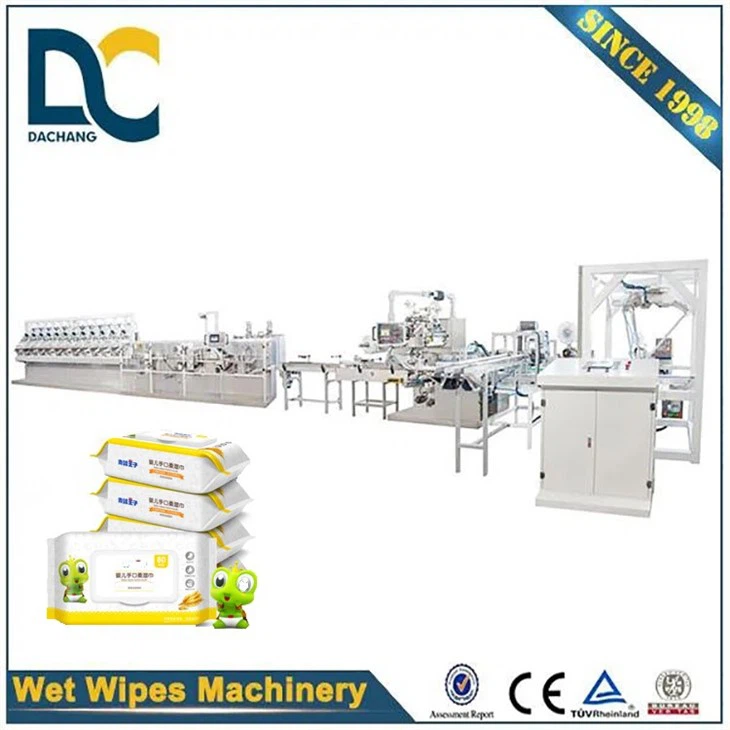
For example, in Europe, our machines comply with the EU's Waste Electrical and Electronic Equipment (WEEE) Directive and the Restriction of Hazardous Substances (RoHS) Directive. These regulations aim to reduce the environmental impact of electrical and electronic equipment and restrict the use of certain hazardous substances in products. Our machines are also compliant with relevant environmental regulations in other regions, such as the United States and Asia.

Lifecycle Assessment of Our Plastic Lid Machines
To comprehensively evaluate the environmental impact of our plastic lid machines, we conduct lifecycle assessments (LCAs). An LCA considers the environmental impacts associated with all stages of a product's life, from raw material extraction and production to use and disposal.
Our LCAs have shown that our energy - efficient designs and waste - reduction measures significantly reduce the overall environmental impact of our machines. For example, during the production phase, the reduced energy consumption and material waste contribute to lower greenhouse gas emissions and less resource depletion. In the use phase, the long - lasting and reliable performance of our machines means fewer replacements are needed, further reducing environmental impact.
The Future of Environmental Compliance in Plastic Lid Machines
As environmental awareness continues to grow, we expect that the requirements for environmental compliance in plastic lid machines will become even more stringent. In response, we are planning to further improve the energy efficiency of our machines and expand our use of eco - friendly materials.
We are also exploring the development of circular economy models for our plastic lid machines. This may involve designing machines that are easier to disassemble and recycle at the end of their life cycle, as well as promoting the recycling of plastic lids produced by our machines.
Conclusion
In conclusion, our plastic lid machines are designed and manufactured to comply with environmental standards. Through energy - efficient designs, waste - reduction measures, and compliance with regulatory requirements, we are committed to minimizing the environmental impact of our products.
If you are interested in our plastic lid machines and are looking for a reliable and environmentally - friendly solution for your production needs, we invite you to contact us for more information and to discuss your specific requirements. We are ready to work with you to achieve your production goals while also contributing to a more sustainable future.
References
- EU's Waste Electrical and Electronic Equipment (WEEE) Directive
- Restriction of Hazardous Substances (RoHS) Directive
- International standards on energy efficiency and environmental protection for manufacturing equipment