




Can a cap applicator machine be used for laboratory products?
 Dec 16, 2025|
 In the realm of laboratory operations, precision and efficiency are of utmost importance. Every piece of equipment used in a laboratory setting must meet high - standards to ensure accurate results and smooth workflow. One such piece of equipment that often comes into question for laboratory use is the cap applicator machine. As a supplier of cap applicator machines, I am frequently asked whether these machines can be used for laboratory products. In this blog post, I will delve into this topic, exploring the feasibility, benefits, and potential limitations of using a cap applicator machine in a laboratory environment.
Understanding Cap Applicator Machines
Before we discuss their suitability for laboratory products, let's first understand what cap applicator machines are. Cap applicator machines are designed to apply caps or lids to containers in a consistent and efficient manner. They come in various types, including manual, semi - automatic, and fully automatic machines. Manual cap applicators require an operator to place the cap on the container and then use the machine to tighten it. Semi - automatic machines may require some manual intervention, such as placing the container under the applicator, but the actual capping process is automated. Fully automatic cap applicator machines can handle the entire process, from cap feeding to tightening, with minimal human involvement.
These machines are commonly used in industries such as food and beverage, pharmaceuticals, cosmetics, and household products. For example, in the food industry, they are used to cap bottles of sauces, juices, and other liquid products. In the pharmaceutical industry, they are crucial for capping medicine bottles and vials to ensure product integrity and safety.
Feasibility of Using Cap Applicator Machines for Laboratory Products
Compatibility with Laboratory Containers
One of the primary considerations when using a cap applicator machine for laboratory products is the compatibility with laboratory containers. Laboratory containers come in a wide range of shapes, sizes, and materials, including glass, plastic, and metal. A good cap applicator machine should be able to handle different container types and sizes. For instance, many laboratory vials are small and require precise capping to prevent leakage and contamination. Our cap applicator machines are designed with adjustable settings that can accommodate various container dimensions, ensuring a proper fit for different laboratory vessels.
Precision and Accuracy
Precision is key in laboratory work. When capping laboratory products, it is essential to apply the caps with the right amount of torque. Over - tightening can damage the container or the cap, while under - tightening can lead to leakage and compromise the integrity of the sample. Our cap applicator machines are equipped with advanced torque control systems that can be calibrated to apply the exact amount of force required for each type of container and cap. This ensures that the caps are tightened uniformly, reducing the risk of errors in the laboratory.
Hygiene and Contamination Control
In a laboratory environment, maintaining a high level of hygiene is crucial to prevent contamination of samples. Our cap applicator machines are constructed using materials that are easy to clean and sanitize. They can be designed with features such as enclosed cap feeding systems to minimize the risk of dust and debris getting into the caps. Additionally, the machines can be operated in a cleanroom environment, further reducing the chances of contamination.
Benefits of Using Cap Applicator Machines in the Laboratory
Increased Efficiency
Manual capping of laboratory containers can be a time - consuming and labor - intensive process, especially when dealing with a large number of samples. A cap applicator machine can significantly increase the capping speed, allowing laboratory technicians to focus on other important tasks. For example, in a high - throughput laboratory where hundreds or thousands of samples need to be capped daily, a fully automatic cap applicator machine can complete the capping process in a fraction of the time it would take to cap the containers manually.
Consistency
Consistency is vital in laboratory work to ensure reliable results. A cap applicator machine applies caps in a consistent manner, reducing the variability that can occur with manual capping. This consistency helps to maintain the quality of the samples and improves the reproducibility of experiments.
Cost - Effectiveness
While the initial investment in a cap applicator machine may seem significant, it can be cost - effective in the long run. By reducing labor costs and minimizing the risk of errors and product waste, the machine can provide a good return on investment. Additionally, the increased efficiency and productivity can lead to faster turnaround times for laboratory results, which can be beneficial for research projects and commercial applications.
Potential Limitations
Initial Setup and Calibration
Setting up a cap applicator machine for laboratory use may require some time and expertise. The machine needs to be calibrated correctly to ensure proper capping of different container types and sizes. This may involve adjusting the torque settings, cap feeding mechanisms, and container positioning. However, our company provides comprehensive training and support to help laboratory staff with the initial setup and calibration process.

Maintenance Requirements
Like any piece of equipment, cap applicator machines require regular maintenance to ensure optimal performance. This includes cleaning, lubrication, and replacement of worn - out parts. While the maintenance requirements are not overly complex, laboratory staff need to be aware of them and follow the recommended maintenance schedule. Our company offers maintenance services and provides detailed maintenance manuals to assist laboratory technicians in keeping the machines in good working condition.
Related Products for Different Industries
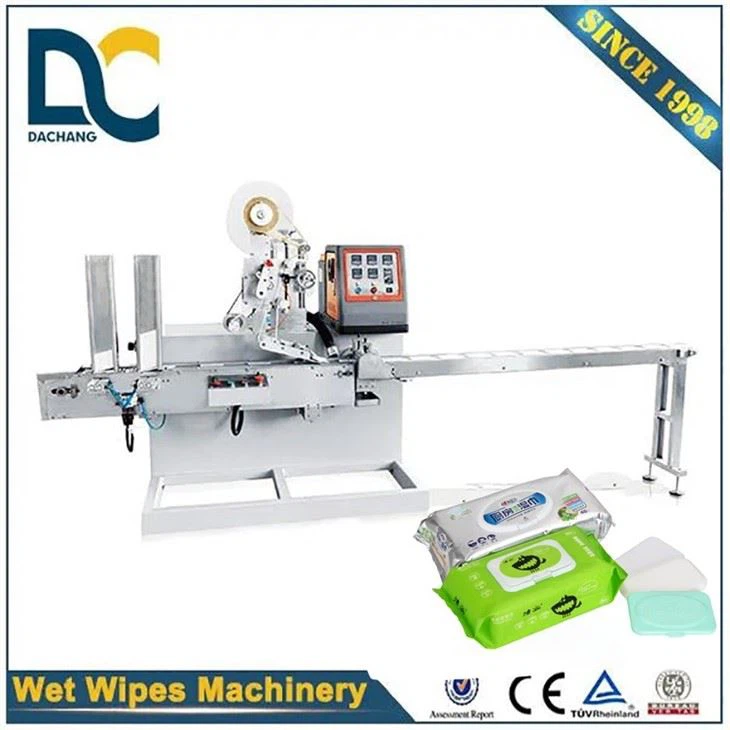
In addition to cap applicator machines for laboratory products, we also offer a range of machines for other industries. For example, our Wet Wipes Lid Applicator Machine is specifically designed for the wet wipes industry. It can efficiently apply lids to wet wipes containers, ensuring a tight seal to keep the wipes moist. Our Wet Wipes Plastic Lid Applicator Machine is another option for the wet wipes industry, which is suitable for applying plastic lids. And our Wet Tissue Packaging Machine can handle the entire packaging process for wet tissues, including capping and sealing.
Conclusion and Call to Action
In conclusion, cap applicator machines can be a valuable addition to a laboratory. They offer numerous benefits, including increased efficiency, precision, and consistency, while also addressing the unique requirements of laboratory work, such as compatibility with different containers, hygiene, and contamination control. Although there are some potential limitations, such as initial setup and maintenance requirements, these can be easily managed with the right support and training.
If you are interested in learning more about our cap applicator machines for laboratory products or any of our other packaging machines, we encourage you to contact us for a detailed discussion. Our team of experts is ready to assist you in finding the right solution for your specific needs. Whether you are a small research laboratory or a large - scale pharmaceutical company, we have the products and expertise to help you streamline your capping process and improve your laboratory operations.
References
- "Principles of Laboratory Instrumentation" by David C. Harris
- "Automation in the Pharmaceutical Industry" by John M. Smith
- Industry reports on packaging machinery and laboratory equipment